Explore Map

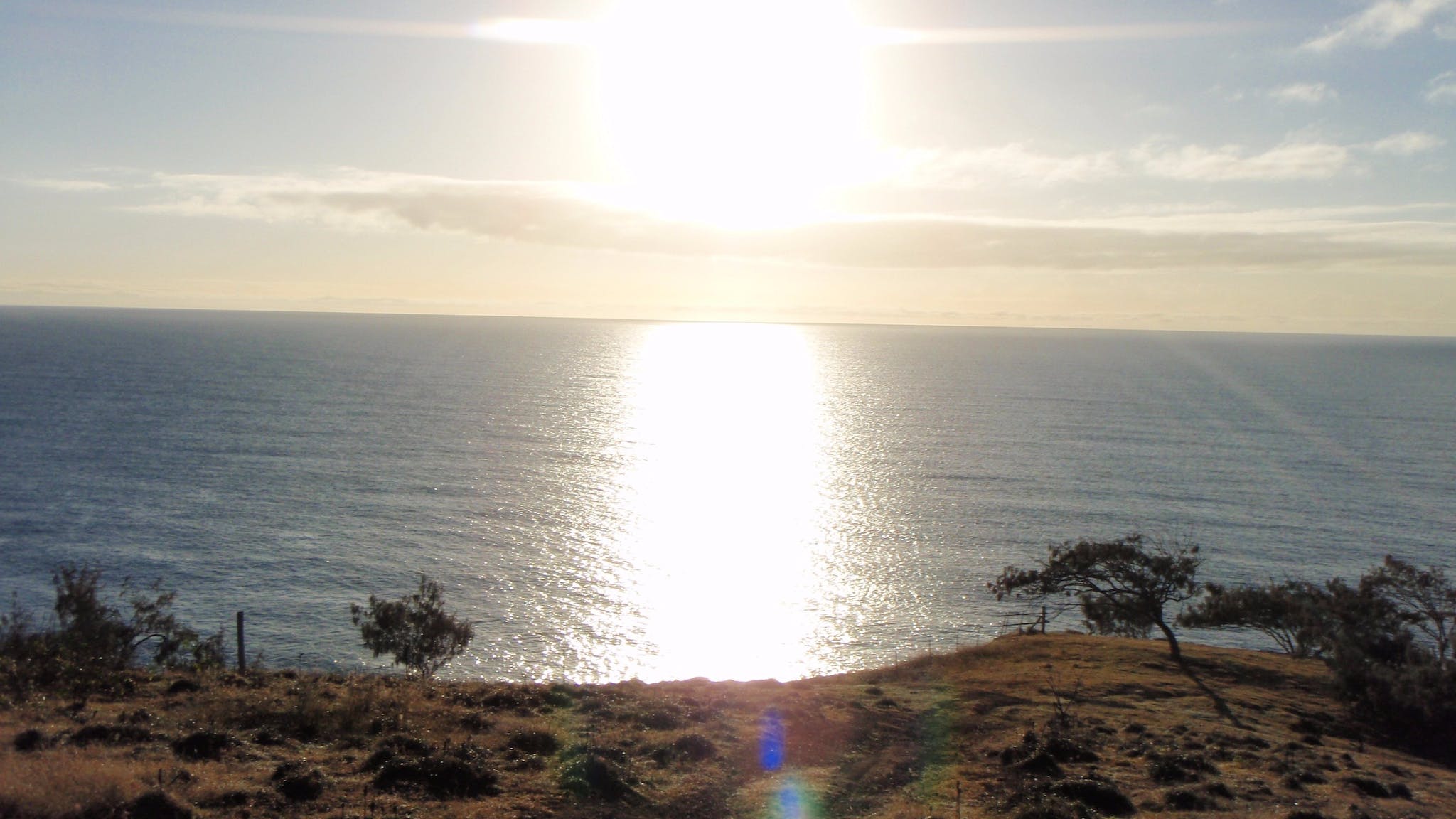
This is rugged exploration at its best – Four Wheel Drive tracks to remote and secret fishing spots, back to basics bush camping, beaches, sparkling ocean, wilderness and wetlands.
Curtis Island is accessible by private boat or by a regular ferry service; although once on the island and camping you will need a Four Wheel Drive to get around.
Camping is permitted halfway up the east coast at the sand blow at Yellow Patch, not far from the Cape Capricorn lighthouse. More accessible for campers (just one kilometre from the barge landing point) is the grassy campground on the outskirts of the community of Southend.
Southend has some accommodation and eating options available for day trips or longer stays.
Birders will be in spotting heaven with jabirus, rainbow lorikeet parrots, cockatoos, herons, brolgas, sea eagles, wood ducks, black swans, and the rare yellow chat all inhabiting the island.
The aptly named Turtle Beach is home to the third largest flatback turtle rookery in Queensland so if you are visiting between October to March you may see nesting and hatching on the shore.
This island has seen many changes in its years, from a working cattle station, current liquefied natural gas hub and with plans to develop a luxury resort on the island in the future, it could just be the Gladstone region’s best kept secret.
Don’t have a 4WD? Be sure to check out our Guide to Curtis Island with a 2WD.
Before embarking on your adventure to Curtis Island, be sure to check park alerts on the Queensland National Parks website.
Access
Curtis Ferry Services provide regular passenger and vehicle services to the Gladstone Harbour Islands of Curtis and Facing. Curtis Island is also accessible by private vessel.
camping on curtis island
south end camping ground
Situated on the southern end of Curtis Island, just 12km from mainland Gladstone, the South End Camping Ground offers 20 unpowered sites with ocean views.
Permits are required to camp at the South End Camping Ground. Click here to make your campsite bookings online or visit one of the Gladstone Region Visitor Information Centres.
Dogs are allowed within the grounds, however they must be kept on a leash at all times.
Essentials to bring: all food and drinking water, sturdy rubbish bags, insect repellent, sun protection, first aid and reliable torch.
joey lees camping area
Joey Lees is located in the Curtis Island National Park and provides shady, secluded bush camping overlooking a scenic beach.
Access is by 4WD and boat only and the grass campsites are suitable for tent, 4WD camper trailer, 4WD camper van.
There are no facilities in the camping area and fires are prohibited – Gas or liquid fuelled stoves for cooking purposes are permitted. Generators are also prohibited.
Essentials to bring: all food and drinking water, sturdy rubbish bags, insect repellent, sun protection, first aid and reliable torch. Read more about before you visit.
Bookings: book online or learn about our camping booking options.
Mobile phone coverage: unreliable. Marine radios and satellite phones are recommended.
turtle street camping area
Turtle Street is located in the Curtis Island National Park and provides bush camping under coastal she-oaks with easy access to the beach.
Access is by 4WD and boat only and the sand campsites are suitable for tent, 4WD camper trailer, 4WD camper van.
There are no facilities in the camping area and fires are prohibited – Gas or liquid fuelled stoves for cooking purposes are permitted. Generators are also prohibited.
Essentials to bring: all food and drinking water, sturdy rubbish bags, insect repellent, sun protection, first aid and reliable torch. Read more about before you visit.
Bookings: book online or learn about our camping booking options.
Mobile phone coverage: unreliable. Marine radios and satellite phones are recommended.
Yellow patch camping area
Yellow Patch is located on the western side of the north-eastern tip of Curtis Island in the Curtis Island National Park and provides secluded bush camping near a bright yellow sand blow.
Access is by boat only and the sand campsites are suitable for tent only.
There are no facilities in the camping area and fires are prohibited – Gas or liquid fuelled stoves for cooking purposes are permitted. Generators are also prohibited.
Essentials to bring: all food and drinking water, sturdy rubbish bags, insect repellent, sun protection, first aid and reliable torch. Read more about before you visit.
Bookings: book online or learn about our camping booking options.
Mobile phone coverage: unreliable. Marine radios and satellite phones are recommended.
Top things to do
- Beaches and Swimming: Curtis Island boasts stunning beaches with pristine white sands and crystal-clear waters. Relax on the shore, take refreshing dips in the ocean, or snorkel in the vibrant underwater world teeming with marine life.
- Fishing: The island is a haven for fishing enthusiasts. Cast your line from the beach, rock platforms, or take a boat out to deeper waters to try your luck at catching a variety of fish species, including snapper, mackerel, and bream.
- Nature Walks, Biking and Hiking: Explore the island’s natural beauty by embarking on scenic walks and hiking trails. Discover diverse ecosystems, including mangroves, coastal heaths, and woodlands. Keep an eye out for native wildlife, such as wallabies, turtles, and a variety of bird species.
- Turtle Watching: Curtis Island is home to nesting sea turtles, including loggerhead, green, and flatback turtles.
- Camping and Picnicking: Enjoy a camping adventure on Curtis Island, with several designated camping areas available. Set up your tent, have a picnic, and immerse yourself in the island’s peaceful ambiance under a starry night sky.
- 4WD Adventure: Explore the rugged terrain of Curtis Island on a 4WD adventure. Take scenic drives along the island’s tracks, navigate through sand dunes, and discover hidden spots and secluded beaches.
- Photography: Curtis Island offers breathtaking natural landscapes and stunning sunsets, providing ample opportunities for photography enthusiasts to capture memorable shots of the island’s beauty.
Connect with us
#gladstoneregion #visitagnes1770 #southerngreatbarrierreef
corporate partners